
We Buy Houses Ripoff How to Spot Scams and Protect Your Home Sale
The phrase we buy houses has become a common sight on street signs, online ads, and even in mail flyers promising fast cash offers for your property. While some companies are legitimate real estate investors, others operate under questionable practices that leave homeowners feeling cheated. This raises a big concern: Is buying houses a ripoff?
This article will dive deep into the truth about these offers, uncover the potential risks, explore real-world cases, and provide clear guidance on how homeowners can protect themselves from falling into scams.
What We Buy Houses Really Means
At its core, a we buy houses company is typically an investor or group of investors looking to purchase properties quickly, usually for cash. The idea appeals to sellers facing foreclosure, financial hardship, or those needing a fast sale without repairs or listing with an agent.
However, not all offers are what they seem. Some buyers use aggressive tactics, lowball offers, or misleading contracts that ultimately hurt the homeowner more than help them. This is where the term we buy houses ripoff emerges.
Common Signs of a We Buy Houses Ripoff
Unrealistically Low Offers
Many companies promise “fair cash offers,” but when the contract arrives, the amount is far below market value. The gap can be tens of thousands of dollars. Homeowners desperate for speed sometimes accept without realizing the true worth of their property.
Pressure to Sign Quickly
Legitimate buyers give time to review contracts. A ripoff operator will pressure you with phrases like “This deal is only valid today” or “If you don’t sign now, we’ll move on.” This tactic exploits urgency to push sellers into rushed decisions.
Vague or Hidden Fees

Some companies sneak in “service fees” or “processing costs” that eat into the cash payment. In extreme cases, homeowners end up with far less than promised.
Real-World Examples of We Buy Houses Ripoff Cases
Example 1: Homeowner Facing Foreclosure
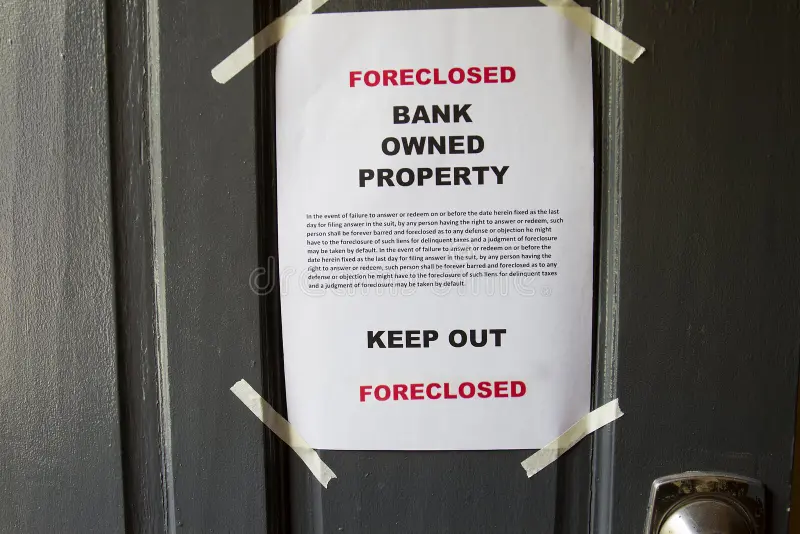
A California homeowner about to lose their property to foreclosure accepted an offer from a “we buy houses” company that promised to pay off their debt. Instead, the company paid just enough to delay the foreclosure but structured the deal so they gained ownership at a fraction of the property’s actual value. The seller lost nearly $70,000 in equity.
Example 2: Elderly Homeowner Targeted
An elderly couple in Texas was approached with a promise of a quick, stress-free sale. The company exaggerated repair costs to justify a much lower offer. Believing they had no other choice, the couple signed. Later, the buyers flipped the house for almost double the price, leaving the original owners feeling scammed and powerless.
Example 3: Hidden Fees Reducing Payout
In Florida, a seller was offered $150,000 cash for their home. After signing, they discovered a list of hidden fees and deductions, reducing their payout by more than $20,000. These “processing fees” weren’t disclosed upfront, making the deal a classic ripoff case.
Why Technology Matters in Avoiding Ripoffs
Modern tools and technology give homeowners more power than ever to avoid falling victim to a “we buy houses” ripoff.
Online valuation tools like Zillow Zestimate or Redfin Estimate provide a quick snapshot of what your property might be worth. While not perfect, these tools prevent homeowners from blindly accepting lowball offers.
Legal tech services also make it easier to review contracts. Platforms that allow digital notarization, contract scanning for hidden clauses, and online attorney consultations give sellers a much-needed advantage. By using these resources, homeowners can verify the legitimacy of offers before committing.
Benefits of Being Informed Before Accepting an Offer
Protecting Equity
Knowing the real value of your home means you don’t risk losing tens of thousands of dollars to unfair deals. Awareness is your biggest weapon.
Avoiding Stress and Legal Trouble
Scams often lead to disputes, lawsuits, or foreclosure complications. By spotting rip-offs early, you avoid the headaches of legal battles.
Peace of Mind
Selling a house is stressful enough. Confidence in your decision comes from understanding who you’re dealing with and what your property is worth.
Practical Use Cases: How Homeowners Can Apply This Knowledge
Avoiding Foreclosure Traps
If you’re behind on payments, it may be tempting to accept the first “cash offer.” By understanding ripoff tactics, you can negotiate better or explore other options like short sales, loan modifications, or legitimate investor deals.
Helping Elderly Relatives Sell Safely
Elderly homeowners are prime targets for scams. Family members armed with knowledge of red flags can step in to help their loved ones avoid exploitation.
Selling a Distressed Property Without Getting Cheated
Houses needing major repairs often attract “we buy houses” buyers. By comparing estimates and understanding market value, sellers can still offload these properties quickly without being ripped off.
FAQs
1. Are all “we buy houses” companies a ripoff?
No. Many legitimate investors provide fair cash offers and close quickly without fees. The problem is that some exploit desperate sellers. Research and due diligence are key.
2. How can I tell if a cash buyer is legitimate?
Check their online reviews, business registration, and request references. Be wary of vague contracts or pressure tactics. Consulting a real estate attorney is always a smart step.
3. What should I do if I suspect I’ve been ripped off?
Contact a real estate attorney immediately. In some cases, contracts can be challenged if there’s evidence of fraud or misrepresentation. Reporting the company to local consumer protection agencies is also advised.


